


Mastering AI for Events in 2026: Smarter Event Planning, Personalised Experiences & Measurable ROI
- F&F Team

- Feb 2
- 3 min read
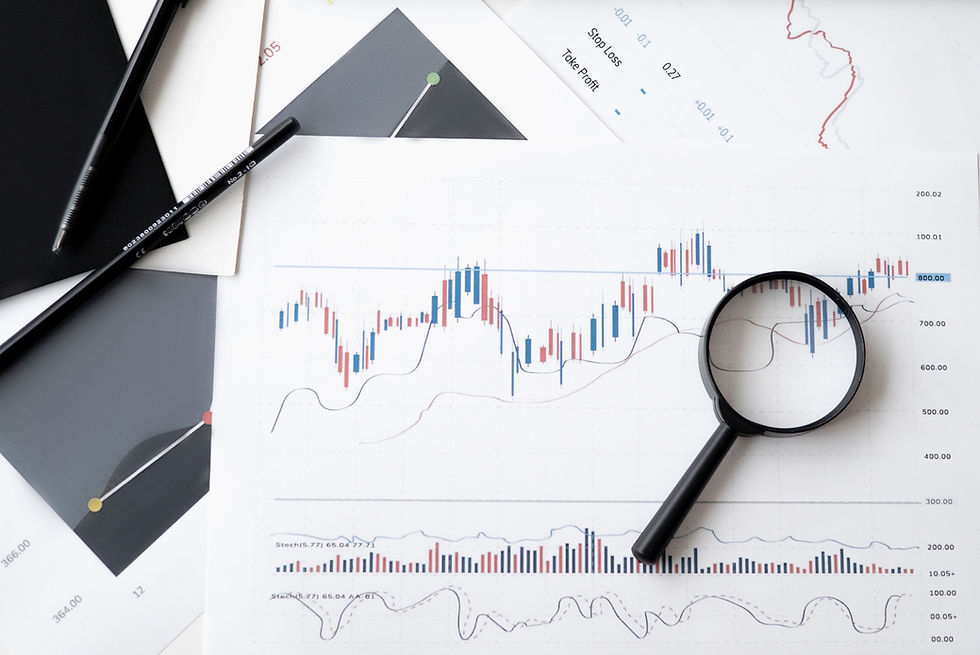
A practical playbook for event organisers, brands, and companies looking to plan smarter events, personalise attendee experiences at scale, and prove ROI using AI.
The events industry is entering a new era, and companies searching for event organisers who understand AI-driven event planning are raising their expectations. Mastering AI for Events in 2026 is no longer a “nice to have” or an experimental add-on — it’s a core operational advantage. From strategy and sales to on-site delivery and post-event reporting, AI is fundamentally changing how successful events are planned, experienced, and measured.
This article is a practical, no-fluff playbook for event professionals who want to use AI intelligently: to work faster, personalise better, reduce costs, and clearly prove ROI to clients and stakeholders.
1. AI as Your Strategic Co‑Planner
In 2026, AI’s biggest impact happens before the event even exists.
Modern AI tools can analyse historical event data, ticketing behaviour, attendee demographics, and industry trends to help you:
Forecast attendance with higher accuracy
Identify the most profitable event formats
Optimise dates, locations, and pricing tiers
Predict sponsorship value and booth performance
Instead of planning based on gut feeling or last year’s deck, AI allows you to build your strategy on real, predictive insights.
Result: fewer assumptions, smarter decisions, and better financial outcomes.
2. Personalisation at Scale (Without More Staff)
Attendees in 2026 expect events to feel designed for them. AI makes this possible — even for large-scale conferences and exhibitions.
With the right AI stack, you can:
Create personalised agendas based on interests and behaviour
Recommend sessions, speakers, and networking matches
Deliver dynamic content via apps, emails, and chatbots
Adapt on-site experiences in real time
AI-driven matchmaking and recommendation engines are especially powerful for networking-heavy events, investor meetings, and B2B forums.
Result: higher engagement, longer dwell time, and more meaningful connections — without increasing operational complexity.
3. Smarter Marketing & Ticket Sales
AI has transformed how events are marketed and sold.
In 2026, top-performing event teams use AI to:
Segment audiences automatically
Generate and test ad creatives at speed
Predict which leads are most likely to convert
Optimise ticket pricing in real time
AI doesn’t replace your marketing team — it amplifies it. Campaigns become more precise, more cost-efficient, and easier to scale globally.
Result: lower acquisition costs and higher conversion rates.
4. AI On‑Site: Operations, Flow & Experience
During the event itself, AI acts as an invisible operations manager.
Key use cases include:
Crowd flow and capacity optimisation
Smart check-in and facial recognition access
Real-time issue detection (queues, bottlenecks, no-shows)
AI-powered assistants for attendees and staff
This level of automation reduces friction, improves safety, and allows teams to focus on high-value human interactions rather than firefighting.
Result: smoother events and happier attendees.
5. Proving ROI with Data That Actually Matters
One of AI’s most valuable roles is post-event.
In 2026, clients don’t want vague summaries — they want measurable impact.
AI enables:
Automated post-event reports
Engagement scoring per attendee or sponsor
Lead quality analysis for exhibitors
Clear attribution between event activity and business outcomes
Instead of manually exporting spreadsheets, AI transforms raw data into insights that decision-makers understand.
Result: stronger client trust, easier renewals, and higher budgets.
6. The Human + AI Balance
AI is powerful — but events are still about people.
The most successful event brands in 2026 use AI to:
Remove repetitive work
Enhance creativity and storytelling
Free teams to focus on experience, relationships, and emotion
AI should never replace human intuition, hospitality, or vision. It should support them.
Why Work With an Event Agency That Masters AI?
Brands, corporates, and Web3 companies are no longer just looking for suppliers — they are looking for event partners who can deliver results.
An AI-enabled event agency can:
Design data-driven event strategies
Increase attendee engagement and satisfaction
Deliver measurable ROI to stakeholders
Reduce inefficiencies and operational costs
If you are planning a conference, exhibition, brand activation, or private event in 2026, working with an agency that understands AI is no longer optional — it is a competitive advantage.
Final Thoughts
Mastering AI for events in 2026 is not about adopting every new tool. It’s about building a smart, intentional AI ecosystem that supports your goals.
Start small. Test. Measure. Scale.
The future of events belongs to teams who plan smarter, personalise deeper, and prove value with confidence.
If you’re not using AI yet — your competitors already are.


Comments