


Are Floral Decorations Dead? Rethinking Event Decor in 2026

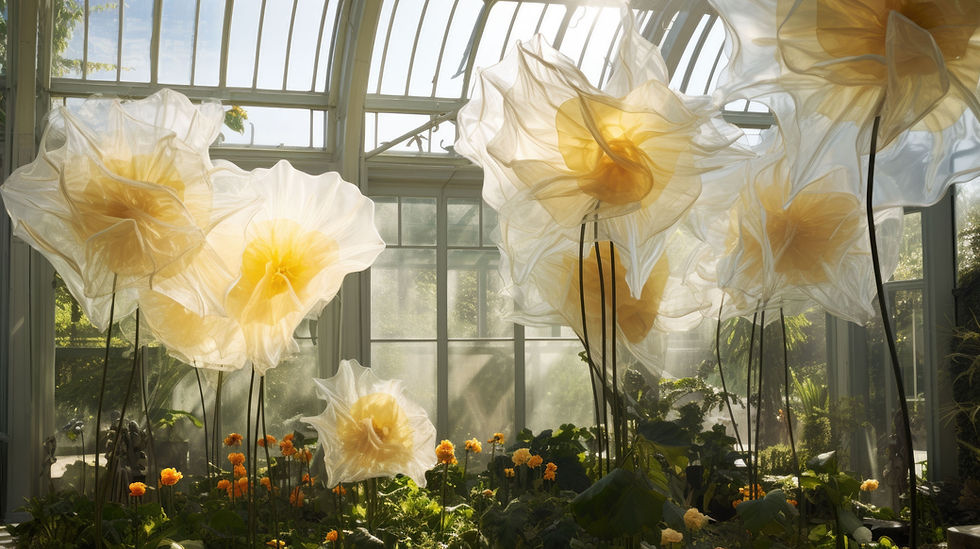
Floral decorations have been part of event design for centuries. From royal banquets to modern weddings, flowers are arguably the oldest and most recognisable form of event decor.
But in 2026, many brands and event planners are asking a serious question:
Are floral decorations still relevant — or are they becoming outdated, unsustainable, and unnecessarily expensive?
Let’s break it down.
Floral Decor: The Oldest Language of Event Design
Flowers have always symbolized beauty, celebration, and emotion. They are timeless, familiar, and universally understood. That’s precisely why they became the default choice for:
Corporate events
Gala dinners
Weddings
Product launches
Hotel and luxury brand activations
But what once felt luxurious now often feels… expected.
In an era where brands fight for attention and memorability, default decor rarely delivers impact.
The Sustainability Question
Sustainability is no longer a trend — it’s a requirement.
Traditional floral decor raises real concerns:
Flowers are often flown internationally
They have a lifespan of hours or days
Most arrangements are discarded after the event
Water consumption and chemical treatments are significant
For brands committed to ESG goals, this creates a contradiction: beautiful visuals with a heavy environmental cost.
While reusable structures and digital installations continue to evolve, flowers remain one of the least sustainable decor options when used traditionally.

The Cost Reality
High-impact floral installations come at a high price:
Rising flower and logistics costs
Labour-intensive installation and breakdown
Fragility and last-minute replacements
In many cases, floral decor consumes a disproportionate part of the event budget — often without delivering proportional value in brand recall or guest experience.
Clients are increasingly asking:
Is this the best use of our budget?
Can We Still Innovate with Flowers?
The answer is yes — but only if we rethink how flowers are used.
Innovation in floral decor doesn’t mean bigger arrangements. It means smarter concepts:
Modular designs that can be reused or repurposed
Locally sourced and seasonal flowers
Dried flowers or preserved botanicals
Hybrid installations combining florals with lighting, digital art, mirrors, or structures
Minimalist floral moments instead of full coverage
When flowers become part of a story or experience, rather than filler decor, they regain relevance.
The Shift: From Decoration to Experience
In 2026, successful events are designed around:
Immersion
Storytelling
Brand alignment
Sustainability
Emotional impact
This is why we see a shift toward:
Sculptural installations
Light and projection mapping
Kinetic structures
Sensory and interactive elements
Flowers are no longer the hero by default — they are one element among many.

So… Are Floral Decorations Dead?
Not dead. But definitely evolving.
Traditional, excessive floral decor without purpose is losing relevance. Thoughtful, sustainable, and innovative floral concepts — integrated into a wider design narrative — are very much alive.
The future of event decor isn’t about choosing between flowers or no flowers.
It’s about choosing intentional design over tradition.
At their best, flowers still have emotional power. But in 2026, emotion must be paired with responsibility, creativity, and meaning.
The most memorable events don’t ask: How many flowers should we use?
They ask: Why are we using them at all?
That’s where real innovation begins.


Comments